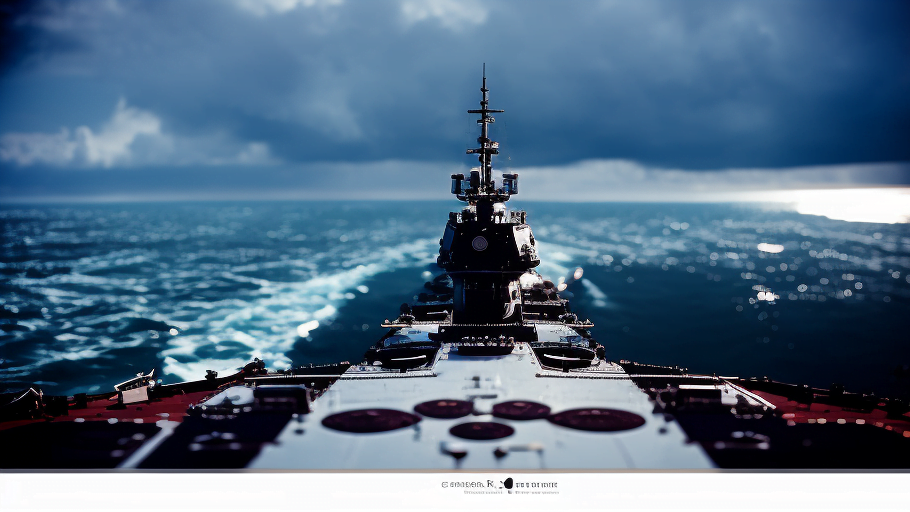
The Bismarck Class holds a prominent place in naval history, representing a peak in battleship design and capability prior to the advent of aircraft carriers as the dominant force on the seas. These battleships, namely the Bismarck and the Tirpitz, were built by Germany in the late 1930s and were among the largest and most powerful ever constructed at the time. Their design and armament were influenced by earlier naval treaties and the strategic needs of the German Kriegsmarine.
The engineering feats achieved with these vessels were remarkable, incorporating advanced technology and firepower that were intended to challenge naval powers like the United Kingdom. Despite their technological advancements, the operational history of the Bismarck Class battleships was marked by significant challenges, including early detection by enemies, the limitations of their strategic use due to fuel requirements, and the eventual sinking of both ships during World War II.
The legacy of the Bismarck Class extends beyond their operational history. They have become symbols of naval power and technological ambition, inspiring a wide range of cultural references, from films and literature to model building and digital reconstructions. The discovery of their wrecks has further cemented their place in naval lore, offering insights into their construction, the battles they fought, and the circumstances of their demise.
Today, the Bismarck and Tirpitz continue to fascinate military historians, naval enthusiasts, and the general public alike. Their stories are a testament to the ingenuity and flaws of human engineering, the brutality of naval warfare, and the enduring allure of exploring our past. Through technological comparisons, preservation efforts, and educational resources, the legacy of the Bismarck Class battleships is kept alive for future generations to study and appreciate.
This exploration seeks to provide a comprehensive understanding of the Bismarck Class, from their design and construction to their operational history and lasting impact on naval warfare and history. By examining the intricate details of their design, the strategic context of their deployment, and their representation in popular culture, we gain a deeper appreciation for these marvels of naval engineering and the complex history they embody.
Introduction to Bismarck Class Battleships
The Bismarck Class battleships, comprising the Bismarck and its sister ship, the Tirpitz, were monumental feats of naval engineering designed by the German Kriegsmarine in the late 1930s. Naval institutes and historians often cite them as some of the most formidable battleships ever built. Their construction was a direct response to naval armament developments globally, aiming to project German naval power across the Atlantic Ocean and beyond.
Their introduction into the German Navy marked a significant shift in naval strategy and technology, reflecting Germany’s ambitions on the high seas. Despite their short operational history, the Bismarck and the Tirpitz left an indelible mark on World War II naval battles, challenging Allied naval supremacy and prompting significant military engagements. Their story is one of technological innovation, strategic miscalculations, and dramatic confrontations, which continue to captivate the interest of naval institutes and enthusiasts worldwide.
The Genesis of the Bismarck Class
The development of the Bismarck Class battleships was driven by the desire of the German Navy to possess a naval force capable of challenging international rivals, particularly the British Royal Navy. Naval institutes often discuss how the geopolitical climate of the time, characterized by rising tensions and the remilitarization of Germany, spurred the rapid development of these ships. The Bismarck and Tirpitz were to embody Germany’s maritime aspirations and technological prowess.
These battleships were not created in isolation but were the result of extensive planning, design innovation, and strategic foresight. The genesis of the Bismarck Class can be traced back to earlier naval treaties that restricted battleship sizes and armaments, which German naval architects skillfully navigated to design vessels that maximized firepower and protection within those limits. This period of design and conceptualization laid the groundwork for what would become two of the most iconic battleships in naval history.
Signing the Anglo-German Naval Agreement
In 1935, the Anglo-German Naval Agreement was signed, marking a pivotal moment in naval history and the development of the Bismarck Class battleships. This agreement allowed Germany to build a navy up to 35% of the size of the British Royal Navy, effectively bypassing restrictions set by the Treaty of Versailles. This development was crucial as it provided the legal and political framework within which Germany could expand its naval capabilities, including the construction of battleships like the Bismarck and Tirpitz.
The agreement facilitated a significant naval buildup by Germany, which aimed to challenge British naval supremacy. The construction of the Bismarck Class was a direct manifestation of this newfound naval ambition, symbolizing Germany’s return to major naval power status. The agreement, while controversial, was a diplomatically strategic move that had profound implications for naval balance in Europe, setting the stage for the eventual confrontations during World War II.
Despite its intentions to allow for a controlled expansion of Germany’s navy, the Anglo-German Naval Agreement indirectly contributed to the escalation of naval arms race in Europe. The subsequent design and deployment of the Bismarck and Tirpitz can be seen as a consequence of this agreement, reflecting the complex interplay of diplomacy, military strategy, and technological advancement that characterized the pre-war period.
From Design to Deployment
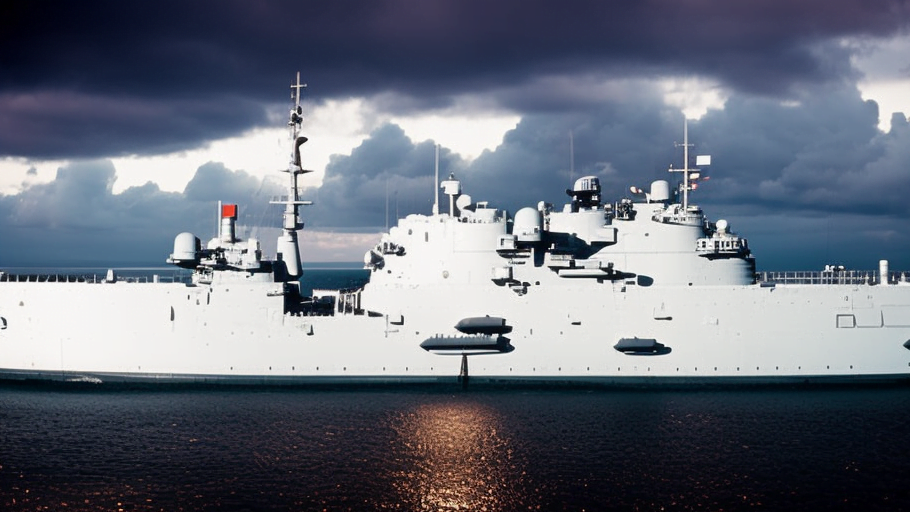
The transition from design to deployment of the Bismarck Class battleships was marked by significant technological and strategic challenges. The designers aimed for a speed of 30 knots, which was ambitious for ships of their size and firepower. Additionally, the inclusion of anti-aircraft guns was a forward-thinking design choice, anticipating the increasing importance of air power in naval warfare. These features were critical in enhancing the operational capabilities of the Bismarck and Tirpitz, allowing them to pose a formidable threat to Allied naval forces.
The outbreak of World War II and the invasion of Norway further accelerated the deployment of these battleships. The strategic importance of controlling the Atlantic Ocean and disrupting Allied supply lines necessitated the swift deployment of the Bismarck and Tirpitz. Their operational history, though brief, was marked by significant engagements that demonstrated their power and also highlighted their vulnerabilities. The transition from blueprint to battleship was a complex process that involved overcoming numerous obstacles, from technological hurdles to strategic considerations, ultimately shaping their role in naval history.
Hermann Burckhardt and the Preliminary Designs
Hermann Burckhardt, a key figure in the design of the Bismarck Class battleships, played a crucial role in their preliminary designs. His expertise in naval architecture was instrumental in developing the initial concepts that would later become the Bismarck and Tirpitz. Burckhardt’s work focused on creating battleships that could match or exceed the capabilities of contemporary British and French naval vessels, emphasizing speed, armor, and armament.
The design process was meticulous, with Burckhardt and his team navigating the restrictions of existing naval treaties while pushing the boundaries of naval engineering. The Bismarck and Tirpitz were envisioned as the pinnacle of battleship design, capable of engaging multiple enemies simultaneously and sustaining considerable damage. This vision was reflected in the ships’ extensive armament and innovative armor schemes, setting new standards for battleship construction.
Throughout the design phase, Burckhardt faced numerous challenges, from technical limitations to changing strategic priorities. However, his commitment to excellence and innovation resulted in two battleships that were unmatched in their time. The Bismarck and Tirpitz were not only triumphs of engineering but also symbols of national pride and military ambition, embodying Germany’s naval aspirations and technological capabilities.
The preliminary designs laid out by Burckhardt and his team were crucial in defining the operational parameters and capabilities of the Bismarck Class. These early designs set the stage for the construction of the battleships, guiding the shipbuilders in creating vessels that would leave a lasting legacy in naval history. Burckhardt’s contributions to naval architecture and the design of the Bismarck and Tirpitz highlight the importance of visionary design and strategic foresight in the development of naval power.
Engineering Marvels of the Bismarck Class
The Bismarck Class battleships were engineering marvels of their time, pushing the limits of naval technology and design. Their construction showcased advancements in shipbuilding techniques, armament, and propulsion systems, setting new benchmarks for future battleship designs. The meticulous attention to detail in their design and the use of cutting-edge technology made the Bismarck and Tirpitz formidable opponents on the high seas.
These battleships were not only powerful weapons of war but also symbols of technological achievement. Their ability to operate across the vast expanses of the Atlantic Ocean demonstrated the strategic capabilities that modern naval engineering could provide. The Bismarck Class battleships’ construction and operational use were a testament to the ingenuity and skill of their designers and builders, marking a significant chapter in the history of naval warfare.
Revolutionary Design and Final Specifications
The revolutionary design of the Bismarck-class battleships set them apart from their contemporaries. Their final specifications reflected a careful balance between firepower, speed, and protection, making them among the most advanced battleships of their time. The designers prioritized the ability to engage enemy ships at long range while maintaining a high level of maneuverability and speed across the Atlantic Ocean.
This emphasis on a balanced design philosophy resulted in battleships that were highly regarded for their combat effectiveness and operational flexibility. The Bismarck and Tirpitz were equipped to handle a variety of combat scenarios, from engaging enemy battleships to defending against aircraft attacks. Their final specifications were a culmination of innovative naval engineering, reflecting the latest advancements in battleship design and technology.
Differences Between the Bismarck and Tirpitz
The Bismarck and Tirpitz, while both formidable Bismarck-class battleships, had several differences stemming from the lessons learned during the construction and operational experiences of the Bismarck. One notable difference was in their armament configuration. The Tirpitz was equipped with additional flak guns to enhance its anti-aircraft capabilities, a direct response to the increasing threat of air attacks. This adjustment made the Tirpitz better prepared to defend itself against aircraft, an aspect that was critically underestimated in the Bismarck’s original design.
Another significant difference was the design of the ships’ bows. The Bismarck featured a traditional straight stem, which was common in battleship design at the time of its construction. However, the Tirpitz was later outfitted with a clipper bow, increasing the length of the ship and improving its seakeeping abilities. This modification was intended to make the Tirpitz more efficient at cutting through waves, thus enhancing its operational range and stability in rough sea conditions.
Furthermore, the Tirpitz had slight modifications in its armor layout and internal subdivision to improve survivability against torpedoes and mines. These changes were influenced by the vulnerabilities observed in the Bismarck’s design and were intended to provide better protection for the ship’s vital areas. Thus, while both ships shared the same class, these differences made the Tirpitz a more resilient and slightly more advanced battleship in terms of defensive capabilities and operational flexibility.
Propulsion Systems and Limitations
The Bismarck-class battleships were powered by a complex propulsion system that was a marvel of engineering for its time. This system comprised three steam turbines, which were designed to provide the ships with high speed and significant operational range. However, the propulsion system also had its limitations. One of the main issues was fuel efficiency; the engines consumed a large amount of fuel, which limited the operational range of the ships. This was a critical factor during extended missions far from friendly ports where resupplying was not an option.
Additionally, the reliance on steam turbines made the propulsion system vulnerable to damage from enemy fire and mechanical failures. In the harsh conditions of naval warfare, any damage to the propulsion system could severely limit the ships’ maneuverability and speed, making them easy targets for enemy forces. The complexity of the system also meant that repairs were time-consuming and required skilled personnel, further complicating recovery efforts during combat operations.
Tonnage Revisions and Shipbuilding Challenges
The development and construction of the Bismarck-class battleships were marked by significant challenges, particularly concerning their tonnage. Initially, the designs called for a standard displacement that adhered to the limitations set by the Anglo-German Naval Agreement. However, as the design process progressed, it became clear that the desired capabilities and armament of the ships would result in a much higher displacement. This led to revisions in the design to accommodate the increased tonnage while attempting to maintain the ships’ speed and maneuverability.
The shipbuilding process itself faced hurdles due to the size and complexity of the Bismarck and Tirpitz. The construction required extensive resources, including manpower, materials, and dockyard facilities. The scale of the ships pushed the limits of existing shipbuilding infrastructure, necessitating modifications to slipways and drydocks to accommodate their construction. This not only increased the cost and time required to build the ships but also placed a significant strain on Germany’s wartime economy and industrial capacity.
In addition to technical and logistical challenges, the construction of the Bismarck-class battleships was also influenced by strategic considerations. The need to balance between armor protection, armament, and speed, while also considering the limitations imposed by international treaties, led to compromises in the ships’ designs. These compromises, along with the challenges in construction and later tonnage revisions, underscored the complexity of building battleships that could meet the high expectations set by the German navy.
The Arsenal of the Bismarck Class
The Bismarck-class battleships were equipped with a formidable arsenal that made them some of the most powerful warships of their time. Their main armament consisted of eight 15-inch guns that could deliver devastating firepower over long distances. These guns were housed in four turrets, allowing the ships to engage multiple targets simultaneously or concentrate their fire on a single adversary. The design and placement of these turrets were optimized to provide a wide firing arc, maximizing the battleships’ offensive capabilities.
In addition to their main battery guns, the Bismarck and Tirpitz were also outfitted with a comprehensive suite of secondary armament designed for anti-ship and anti-aircraft warfare. This included a range of smaller caliber guns that could defend against enemy aircraft and surface vessels. The inclusion of these weapons systems underscored the Bismarck-class battleships’ role as all-around combatants, capable of engaging a variety of targets in different combat scenarios.
Main and Secondary Armaments
The Bismarck-class battleships’ main armament was centered around their powerful 15-inch battery guns, which were among the largest and most powerful naval guns deployed during World War II. These guns were capable of firing shells over significant distances, inflicting heavy damage on enemy ships. The design of the turrets allowed for a high degree of elevation, providing the battleships with the capability to engage targets at various ranges and trajectories, making them formidable adversaries in naval engagements.
The secondary armament of the Bismarck and Tirpitz complemented their main battery by providing a versatile defense against closer-range threats, including surface ships and aircraft. This included a series of smaller guns and flak guns, which were essential for anti-aircraft defense. The flak guns, in particular, were a critical component of the ships’ defensive armament, designed to protect against increasingly effective aerial attacks. The comprehensive armament suite of the Bismarck-class battleships demonstrated a balance between offensive firepower and defensive capabilities, making them well-rounded combatants in naval warfare.
Main Battery Specifications
The Bismarck and Tirpitz boasted an impressive main battery configuration that was a centerpiece of their design as Bismarck-class battleships. Each ship was equipped with eight 15-inch guns, arranged in four twin turrets. These guns had a maximum range of approximately 36,520 yards (33,380 meters), allowing them to strike targets at great distances. The shells fired by these guns weighed up to 1,800 pounds (800 kilograms), capable of penetrating the armor of enemy ships or inflicting significant structural damage.
The design of the main battery emphasized not only firepower but also accuracy and rate of fire. The turrets were engineered to rotate quickly, enabling the ships to track moving targets and adjust their firing solutions rapidly. This agility, combined with the advanced fire control systems onboard, allowed the Bismarck and Tirpitz to maximize the effectiveness of their main guns in combat. The sophisticated design of these components underscored the technological advancements embodied in the Bismarck-class battleships.
Additionally, the main battery’s specifications were complemented by the ships’ secondary armament and anti-aircraft defenses, including flak guns. These flak guns played a crucial role in protecting the Bismarck and Tirpitz from aerial threats, enhancing their survivability in battle. The integration of these various armament systems demonstrated the comprehensive approach to the battleships’ design, aiming to create a platform capable of engaging and defeating a wide range of enemy threats.
Secondary Battery and Anti-Aircraft Capabilities
The secondary battery and anti-aircraft capabilities of the Bismarck-class battleships were integral to their design, providing a layered defense against both surface and aerial threats. The secondary armament consisted of twelve 5.9-inch guns, which were effective against surface targets at medium ranges. These guns complemented the main battery by engaging enemy vessels that were too close for the 15-inch guns to target effectively. The secondary battery’s placement and fire control systems were designed to offer rapid response times and high firing accuracy.
In terms of anti-aircraft defense, the Bismarck and Tirpitz were equipped with a formidable array of flak guns. These included various calibers of anti-aircraft artillery, strategically positioned around the ships to provide a 360-degree defense against incoming aircraft. The flak guns were crucial in the increasingly air-dominated theater of naval warfare, where the ability to fend off aerial attacks could determine the outcome of engagements. The effectiveness of these defenses was a testament to the German navy’s recognition of the growing importance of air power in naval battles.
Furthermore, the continuous improvement in the ships’ anti-aircraft capabilities, particularly in the case of the Tirpitz, reflected ongoing adaptations to the evolving nature of the threat. The addition of more flak guns and the enhancement of existing ones were measures taken to increase the ships’ survivability against coordinated air strikes. By integrating these advancements, the Bismarck-class battleships aimed to maintain their dominance at sea, even as the tactics and technologies of naval warfare continued to evolve.
Armor Protection and Torpedo Armament
The Bismarck class battleships were fortified with advanced armor protection, designed to shield them from enemy fire. Their armor scheme included an extensive belt of heavy armor, which ran along the side of the hull. This belt was complemented by a complex system of bulkheads, intended to limit the spread of damage in case the hull was breached. The deck was also heavily armored, protecting against aerial bombardments and plunging fire from distant enemies.
Alongside their impressive armor, the Bismarck and its sister ship, Tirpitz, were equipped with potent torpedo armaments. They housed several torpedo tubes, positioned below the waterline, which could launch torpedoes against enemy ships during close encounters. This combination of heavy armor and powerful torpedo weaponry made the Bismarck class a formidable opponent in naval engagements.
The design of the battery turrets also contributed to the ships’ resilience in battle. These turrets were not only heavily armored but were engineered to ensure that the main guns could continue firing even after sustaining significant damage. The integration of armor protection with offensive armaments exemplified the Bismarck class’s role as a breakthrough in battleship design, combining defense and attack capabilities seamlessly.
The Operational History of the Bismarck Class
The operational history of the Bismarck class battleships, particularly the Bismarck itself, was marked by significant engagements during World War II. Despite their short service life, these ships left a lasting impact on naval warfare. The Bismarck’s maiden voyage, known as Operation Rheinübung, was a prime example of their operational use, demonstrating their capabilities and the threat they posed to Allied naval forces.
The Tirpitz, often referred to as the “Lone Queen of the North,” had a different operational path, spending much of its time in Norwegian fjords. Its presence alone was enough to draw significant Allied resources away from other theaters of war. The operational history of these ships underlines the strategic importance they held during their time at sea, serving as a testament to their design and construction.
Bismarck’s Maiden Voyage: Operation Rheinübung
Operation Rheinübung marked the Bismarck’s first and only sortie into the Atlantic, accompanied by the heavy cruiser Prinz Eugen. This mission aimed to disrupt Allied shipping lanes and demonstrate German naval power. The voyage began under the shadow of secrecy, with the Bismarck and Prinz Eugen slipping past British patrols to enter the open sea.
Despite rigorous sea trials and preparations, the duo faced relentless air attacks and naval pursuits. Their journey to the Atlantic was fraught with challenges, including evading British forces stationed at Scapa Flow. The operation showcased the Bismarck’s formidable capabilities but also highlighted the strategic difficulties of operating such a significant vessel without adequate support and facing constant threats from the air and sea.
The Battle of the Denmark Strait and the Sinking of HMS Hood
During the Battle of the Denmark Strait, the Bismarck and Prinz Eugen engaged the British battlecruiser HMS Hood and battleship Prince of Wales. The German ships’ superior strategy and firepower were evident as they quickly gained the upper hand. The Bismarck’s deck armour proved crucial, absorbing and deflecting the British shells. In a devastating blow, the Bismarck’s shells penetrated the Hood’s armoured belt, leading to a catastrophic explosion that sank the Hood.
After sinking the Hood, the Bismarck and Prinz Eugen shifted fire to the Prince of Wales, causing significant damage. However, the battle also revealed vulnerabilities in the Bismarck’s armor protection, as it sustained hits that caused fuel leaks. This encounter at the Battle of the Denmark Strait not only demonstrated the lethal effectiveness of the Bismarck class but also marked the beginning of a relentless pursuit by British forces.
The battle’s outcome was a testament to the strategic and technical prowess of the Bismarck and Prinz Eugen. However, it also set the stage for the intense chase that followed, highlighting the strategic significance of naval engagements during World War II and the formidable capabilities of the Bismarck class battleships.
The Chase and Final Stand of the Bismarck
After the Battle of the Denmark Strait, the Bismarck became the focus of a massive British pursuit across the North Atlantic. Despite attempts to escape and head for repairs in occupied France, the damage it had sustained made it vulnerable. British forces, determined to prevent the Bismarck from reaching safety, launched continuous air and naval attacks.
The relentless pursuit culminated in a dramatic final stand, where the Bismarck, isolated and unable to maneuver effectively, faced off against a formidable group of British warships. The intense engagement that followed showcased the Bismarck’s resilience and firepower, but the damage from earlier engagements and the overwhelming odds eventually led to its sinking.
This final battle marked the end of the Bismarck’s operational history but cemented its legacy as one of the most formidable battleships of its era. The chase and final stand of the Bismarck demonstrated the strategic importance of naval power and the lengths to which both sides would go to secure or neutralize significant naval threats during World War II.
Tirpitz: The Lone Queen of the North
The Tirpitz, sister ship to the Bismarck, earned the nickname “The Lone Queen of the North” due to its deployment in Norwegian waters. This strategic positioning allowed the Tirpitz to threaten Allied convoys without engaging in direct combat. Its mere presence in Norwegian fjords forced the Allies to allocate substantial naval resources to counter this threat, showcasing the strategic value of battleships as fleet deterrents.
The design of the Tirpitz, with its straight stem and imposing silhouette, symbolized the peak of German naval engineering. Unlike its sister ship, the Tirpitz’s operational history was characterized by a strategy of intimidation and psychological warfare, rather than direct engagement. This approach underlined the diverse roles battleships could play, extending beyond conventional battles to influencing naval strategy through their mere presence.
Deployment to Norway and Operations Against Allied Convoys
The Tirpitz’s deployment to Norway was a calculated move to disrupt Allied naval operations and protect German interests in the region. From its Norwegian base, the Tirpitz posed a significant threat to Allied convoys traveling to the Soviet Union, compelling the Allies to divert ships and aircraft to monitor and counter this threat. The strategy underscored the importance of battleships in securing maritime routes and exerting naval power.
Despite its potential, the Tirpitz’s impact was primarily psychological, as actual engagements with Allied convoys were rare. The German fleet, including the Tirpitz, Admiral Scheer, and other ships, represented a formidable force that could strike at any time, forcing the Allies to maintain a cautious approach in the North Atlantic and Arctic waters. This threat of sudden attacks tied down significant Allied resources, highlighting the strategic value of battleship deployment in key areas.
The need for vast amounts of fuel oil for operations and the constant threat from Allied forces limited the Tirpitz’s active engagements. However, the strategic positioning of the Tirpitz in Norway and the potential for disrupting Allied supply lines had a lasting impact on the war’s naval dynamics, demonstrating the strategic utility of battleships beyond direct combat roles.
The End: Operation Catechism
The final chapter in the story of the Tirpitz came with Operation Catechism, a daring Allied bombing raid that sought to eliminate the German battleship once and for all. The operation saw a fleet of British Lancaster bombers executing a precision attack on the Tirpitz’s anchorage in Norway. The bombers, carrying heavy Tallboy bombs, managed to score direct hits, causing catastrophic damage to the ship.
The sinking of the Tirpitz marked the end of its reign as the “Lone Queen of the North.” The operation demonstrated the effectiveness of air power against even the most formidable naval targets and marked a significant shift in the balance of naval power in the North Atlantic. The loss of the Tirpitz removed a major threat to Allied convoys, allowing for more secure maritime operations.
Operation Catechism symbolized the culmination of the Allied efforts to neutralize one of the most significant threats to their naval supremacy. The sinking of the Tirpitz not only represented a strategic victory but also signaled the decline of battleship dominance in favor of air power and submarine warfare. This event underscored the changing nature of naval warfare and the increasing importance of air superiority.
Tragic Demise and Immortal Legacy
The sinking of the Bismarck and the Tirpitz marked the tragic end of the most iconic battleships of the German Navy during World War II. These events were not merely the loss of two great ships but symbolized the end of an era of battleship dominance. Their demise underscored the vulnerabilities of even the most heavily armored ships to air power and technological advancements.
Despite their ultimate fate, the Bismarck and the Tirpitz left behind an immortal legacy. Their stories have been preserved in films, literature, and documentaries, capturing the imagination of generations. The fascination with these ships and their operational histories reflects the enduring allure of naval warfare and the lasting impact these battleships have had on naval history and military strategy.
The Sinking of the Bismarck
The Bismarck, a powerful German battleship, met its tragic end in May 1941. After a fierce battle with British naval forces, including the battleship Prince of Wales, the Bismarck suffered critical damage. The British navy had been determined to stop the Bismarck from threatening Allied shipping in the Atlantic. Despite the efforts of its crew, the damage from battle and air attacks made it impossible for the Bismarck to escape its pursuers.
Ultimately, on May 27, 1941, surrounded by British ships, the Bismarck was sunk. The final battle was intense, with the British forces bombarding the Bismarck with relentless firepower. The sinking of the Bismarck was a significant moment in World War II, demonstrating the might of the Royal Navy and marking a turning point in the Battle of the Atlantic.
Damage Control Efforts and Sinking
As the Bismarck’s situation grew desperate, the crew worked tirelessly to keep the battleship afloat. The ship’s armoured belt had been designed to protect it from enemy fire, but the damage from the intense battle was too severe. Water began flooding into the Bismarck, and the crew’s efforts to control the damage were not enough. The ship’s propulsion system was crippled, making it impossible to maneuver effectively.
The British forces continued their assault, knowing that the Bismarck’s sinking would be a major blow to German naval power. Torpedoes and shells pounded the battleship, overwhelming the crew’s attempts to save it. In the end, the damage was too extensive, and the Bismarck began to list heavily to one side.
On the morning of May 27, the Bismarck sank into the depths of the North Atlantic. Of the over 2,000 crew members aboard, only 114 survived. The sinking of the Bismarck was not just the loss of a ship, but also a significant human tragedy. The efforts of the crew to save their ship were in vain, marking the end of one of the most formidable battleships of World War II.
Discovering the Wreckage
The wreckage of the Bismarck was lost to the depths of the North Atlantic for decades. Its discovery was a significant event, shedding light on the final moments of the ship’s tragic sinking. The search for the Bismarck was challenging, given the vastness of the ocean and the depth at which the ship sank.
Finally, in 1989, an expedition led by Dr. Robert Ballard, who had previously discovered the wreck of the Titanic, found the Bismarck. The discovery of the wreckage provided valuable insights into the battle that led to the ship’s sinking. It also offered closure to families and survivors, bringing a tangible connection to the events that had occurred nearly half a century earlier.
Initial Discovery and Subsequent Expeditions
The initial discovery of the Bismarck’s wreck was a monumental achievement. The expedition team used sophisticated underwater technology to locate the battleship on the ocean floor. Images from the site showed the Bismarck’s armoured belt and the massive damage it had sustained during its final battle.
Following the discovery, numerous expeditions have visited the wreckage. Each visit has provided more details about the ship’s construction, the battle damage it sustained, and the circumstances of its sinking. These expeditions have collected photographs and video footage, giving us a clearer picture of the Bismarck’s fate.
The exploration of the Bismarck wreck has also sparked interest in preserving it as a war grave. Efforts have been made to respect the site and remember the lives lost during its final battle. The story of the Bismarck continues to fascinate historians, naval enthusiasts, and the general public, contributing to our understanding of World War II naval warfare.
The Bismarck Class in Popular Culture
The Bismarck class battleships have captured the imagination of people around the world. These ships have been featured in movies, books, and documentaries, each telling the story of their design, battles, and ultimate fate. The Bismarck, in particular, has become a symbol of naval power and the tragedy of war. Its story resonates with many, illustrating the human cost of conflict and the technological advancements of the time.
Model building has also become a popular way for enthusiasts to connect with the history of the Bismarck. Detailed models allow builders to appreciate the engineering and design of one of World War II’s most formidable battleships. The Bismarck’s legacy lives on, not just as a subject of historical study, but as a part of popular culture that continues to inspire curiosity and awe.
Through films, literature, documentaries, and models, the Bismarck class remains a fascinating topic. Its impact on naval history and its dramatic story of conflict and loss ensure that it will be remembered for generations to come.
Films, Literature, and Documentaries
Films about the Bismarck offer dramatic reenactments of its battles and the strategic challenges faced by both the Allies and the Axis powers. These movies bring to life the tension and drama of naval warfare, captivating audiences with stories of heroism and tragedy. Literature, including novels and historical accounts, explores the personal stories of those who served on the Bismarck and their adversaries. These works provide insight into the human experiences behind the historical events.
Documentaries provide a factual account of the Bismarck’s history, from its construction to its final battle and sinking. Using archival footage, interviews with survivors, and expert analysis, these documentaries offer a comprehensive view of the Bismarck’s role in World War II. They also examine the technological innovations and strategic implications of the Bismarck class battleships.
Together, films, literature, and documentaries enrich our understanding of the Bismarck. They serve as educational tools and sources of entertainment, bridging the gap between historical events and contemporary audiences. Through these mediums, the legacy of the Bismarck class continues to be explored and appreciated.
Model Building and Digital Reconstructions
Model building of the Bismarck has become a popular hobby for naval enthusiasts and history buffs. Detailed kits allow builders to recreate the battleship with precision, understanding the complexity of its design. The process of building a model of the Bismarck offers a hands-on way to connect with history, appreciating the craftsmanship and engineering of the era. Kapitän zur See Ernst Lindemann, who commanded the Bismarck during its final voyage, and the fact that the Bismarck was laid down and launched on 14 February 1939, are often highlighted in model kit descriptions and historical notes, adding depth to the building experience.
Advancements in technology have also allowed for digital reconstructions of the Bismarck. These 3D models provide an interactive way to explore the ship, from its bow and stern to the details of its armament and armor. Virtual tours of the Bismarck offer a unique perspective, allowing users to immerse themselves in the history and design of one of World War II’s most legendary battleships.
The Bismarck in 3D
The creation of 3D models of the Bismarck has revolutionized how we interact with history. These digital reconstructions allow for detailed exploration of the ship’s design, from its formidable armament to the intricate layout of its bow and stern. Enthusiasts and scholars alike can examine the Bismarck from angles that were previously impossible, providing new insights into its construction and capabilities.
Virtual reality experiences have taken this a step further, offering immersive tours of the Bismarck. Users can “walk” through the ship’s decks, experiencing the scale and complexity of its design firsthand. This technology not only serves as an educational tool but also as a means to preserve the legacy of the Bismarck for future generations.
The digital reconstructions of the Bismarck have become valuable resources for both education and entertainment. They allow us to connect with the past in a dynamic way, bringing the story of the Bismarck and its crew to life. As technology advances, these digital models will continue to evolve, offering even deeper insights into one of history’s most iconic battleships.
Technical Comparisons and Analysis
The Bismarck class battleships were marvels of their time, boasting advanced engineering features that set them apart from their contemporaries. The use of geared turbines for propulsion was a significant innovation, allowing these ships to achieve high speeds while maintaining efficiency. This feature, among others, positioned the Bismarck and Tirpitz as formidable opponents against Allied naval forces.
When comparing the Bismarck class to Allied battleships, it’s crucial to examine the balance between firepower, armor, and speed. The Bismarck class excelled in all three categories, making them a significant threat on the open sea. Their engineering prowess was not just in the machinery but also in the design and construction techniques, which were ahead of their time and influenced future naval architecture.
However, these technical advantages also came with limitations. The size and weight of the Bismarck class ships made them less maneuverable than some of their counterparts, and their operational range was somewhat restricted by their fuel consumption rates. Despite these challenges, the Bismarck and Tirpitz demonstrated the peak of battleship design and highlighted the importance of technological innovation in naval warfare.
Bismarck vs. Allied Battleships
The Bismarck class faced stiff competition from British battleships, which were among the most advanced and powerful in the world at the time. The main difference lay in the armament and armor, where British battleships were designed with the lessons of World War I firmly in mind, emphasizing protection against shellfire and torpedoes. In contrast, Bismarck prioritized a balance between offense and defense, resulting in a formidable but different approach to battleship design.
British cruisers, on the other hand, were lighter and faster than the heavy Bismarck class, designed for scouting, protection, and hitting power against lighter forces. While they lacked the heavy armor and armament of the Bismarck class, their speed and agility made them valuable assets in locating and engaging the enemy. The contrast between the heavy Bismarck class and these lighter, faster vessels underscored the varied tactics and strategies employed by the British Royal Navy.
In engagements, the Bismarck class’s superior firepower and armor were often decisive factors. However, the versatility and numbers of British battleships and cruisers allowed them to employ a range of tactics, from long-range engagements to encirclement and blockades. This dynamic created a cat-and-mouse game between the Kriegsmarine and the Royal Navy, showcasing the strengths and weaknesses of each design philosophy in real-world naval warfare.
Innovations in Naval Warfare
The introduction of the Bismarck class battleships marked a significant leap in naval warfare technology. Their design incorporated numerous innovations that would set the standard for future battleship construction. Among these was the integration of advanced fire-control systems, which significantly improved accuracy and targeting efficiency at long ranges. This technology allowed the Bismarck class to engage enemy ships with unprecedented precision.
Another notable innovation was the use of radar technology, which enhanced the ships’ situational awareness and targeting capabilities. This was a relatively new advancement in naval warfare at the time and provided the Bismarck class with a significant advantage in detecting and engaging enemy vessels before they could close to effective firing range. The combination of radar and advanced fire-control systems represented a major step forward in the evolution of naval combat tactics.
The Bismarck class also featured heavily reinforced armor plating and an innovative hull design that improved buoyancy and stability, even when sustaining heavy damage. This made them exceptionally tough opponents in battle, capable of withstanding punishment that would disable or sink lesser ships. These design choices reflected a new era of battleship, where survivability, firepower, and technological superiority were paramount.
Preserving the Legacy
The legacy of the Bismarck class battleships is preserved through various means, ensuring that the memory of these engineering marvels and their role in naval history remains alive. Museums around the world house artifacts, models, and interactive displays that tell the story of the Bismarck and Tirpitz, providing insight into their design, construction, and operational history. These exhibits offer a tangible connection to the past, allowing visitors to appreciate the technological advancements and strategic importance of these battleships.
Beyond physical museums, the legacy of the Bismarck class is also preserved through digital archives and online resources. Websites dedicated to naval history feature detailed articles, photographs, and technical diagrams that explore every aspect of the Bismarck and Tirpitz, from their inception to their final battles. These online resources make the history of the Bismarck class accessible to a global audience, fostering a deeper understanding and appreciation of these ships.
Memorials and commemorative sites also play a crucial role in preserving the legacy of the Bismarck class. These sites, often located in Germany and other countries involved in their stories, serve as places of reflection and remembrance for those who served aboard these ships and those who faced them in battle. Through these various means, the legacy of the Bismarck class battleships continues to be honored and remembered, ensuring that their impact on naval warfare and history is not forgotten.
Museums and Memorials
Museums dedicated to maritime history often feature extensive exhibits on the Bismarck class, showcasing models, artifacts, and interactive displays. These exhibits provide visitors with a comprehensive understanding of the technological innovations and strategic significance of these battleships. Artifacts recovered from the ships themselves, such as personal items from the crew and parts of the ships’ machinery, offer a poignant glimpse into life aboard these naval giants.
Memorials dedicated to the Bismarck and Tirpitz can be found in various locations, serving as solemn reminders of the human cost of war. These memorials often include plaques, statues, and informational panels that tell the stories of the ships and their crews. Annual ceremonies and events at these sites bring together veterans, historians, and the public to honor the memory of those who served.
Additionally, guided tours and educational programs at these museums and memorial sites provide valuable insights into the design, construction, and operational history of the Bismarck class. Through expert-led discussions and hands-on activities, visitors of all ages can learn about the impact of these ships on World War II and naval warfare in general. These efforts to educate and commemorate ensure that the legacy of the Bismarck class remains vibrant and relevant for future generations.
Educational Resources and Further Reading
For those interested in delving deeper into the history of the Bismarck class, a wealth of educational resources and literature is available. Books written by historians and naval experts provide detailed accounts of the design, construction, and battles involving the Bismarck and Tirpitz. These works often include firsthand accounts from crew members and military leaders, offering unique perspectives on the ships’ roles in naval warfare.
Documentaries and films also serve as accessible avenues for learning about the Bismarck class. Through archival footage, interviews, and expert analysis, these visual resources bring the story of these battleships to life, capturing the drama and significance of their voyages and engagements. For a more interactive experience, video games and simulations allow players to command the Bismarck or Tirpitz in virtual naval battles, providing insights into the strategic challenges and decisions faced by their captains.
Online forums and discussion groups offer platforms for enthusiasts and scholars to share information, debate the ships’ histories, and discuss new findings. Websites dedicated to naval history and maritime archaeology frequently update with articles, photo galleries, and technical analyses, making it easy for anyone to stay informed about the latest research and discoveries related to the Bismarck class. Through these diverse resources, the legacy of these iconic battleships continues to captivate and educate new audiences.
Conclusion: Reflecting on the Bismarck Class’s Impact
The Bismarck class battleships, with their advanced design and formidable capabilities, left an indelible mark on naval warfare and history. Their short operational history belies the significant impact they had on the tactics and strategies of World War II. The technological innovations introduced by these ships, from their powerful armaments to their sophisticated propulsion and radar systems, set new standards for battleship design and performance.
Their legacy is not only preserved through the physical remnants and memorials but also through the continuous interest and study by historians, enthusiasts, and the general public. The story of the Bismarck and Tirpitz serves as a reminder of the human ingenuity and resilience in the face of adversity, as well as the tragic consequences of war. Through educational resources and popular culture, the fascination with these battleships and their epic saga continues to grow, inspiring new generations to learn about and reflect on their history.
Ultimately, the Bismarck class’s impact extends beyond their technical specifications and battle records. They symbolize a pivotal moment in naval history, where the balance of power on the seas was contested with unprecedented ferocity. Reflecting on the Bismarck class’s impact offers valuable lessons on the evolution of naval warfare, the importance of technological advancement, and the enduring human spirit. Their story, a blend of triumph, tragedy, and technological marvel, remains a captivating chapter in the annals of maritime history.
Strategic Implications and Historical Significance
The Bismarck Class battleships, upon their introduction, fundamentally altered the strategic landscape of naval warfare. The signing of the Anglo-German Naval Agreement allowed Germany to expand its navy, challenging the limitations imposed by the Treaty of Versailles and the Washington Naval Treaty. This development spurred a naval arms race, compelling the British and other powers to enhance their own fleets. The Bismarck and Tirpitz, embodying advanced naval engineering, underscored the shift from battles centered around battleships and battlecruisers to a more complex strategy involving air power and submarines.
Operation Rheinübung, marked by the sortie of the Bismarck into the North Atlantic, exemplified the use of battleships as commerce raiders, a tactic aimed at disrupting enemy supply lines. Admiral Günther Lütjens’ decision to engage in this mission highlighted the strategic role these ships could play in broader military objectives, including the German invasion plans. However, the operation also exposed the vulnerabilities of such massive ships to air attacks, as demonstrated by the critical role of the aircraft carrier Ark Royal and its Fairey Swordfish torpedo bombers in the Bismarck’s demise.
The sinking of the Bismarck had profound implications beyond its immediate military impact. It symbolized the end of an era where battleships were the dominant force on the seas, paving the way for the aircraft carrier’s ascendance. The strategic lessons learned from the Bismarck’s operations informed future naval tactics, emphasizing the importance of air support and the limitations of traditional battleship engagements in modern warfare.
The Bismarck Class in Naval History
The Bismarck and her sister ship, the Tirpitz, stood as the largest and most powerful battleships of their time, designed under the keen oversight of the Oberkommando der Marine and Admiral Erich Raeder. Their construction was a direct response to the naval limitations imposed on Germany, leading to innovations in underwater protection and armament that would set new standards in battleship design. The genesis of these ships can be traced back to the Anglo-German Naval Agreement of 1935, which facilitated their development by allowing Germany to expand its naval capacity, challenging the existing naval order.
Throughout their operational history, the Bismarck and the heavy cruiser Prinz Eugen conducted a notable sortie into the North Atlantic, codenamed Operation Rheinübung. This mission aimed to disrupt Allied shipping lanes but culminated in the epic Battle of the Denmark Strait and the subsequent relentless pursuit by British naval forces. The Bismarck’s engagement with the HMS Hood, resulting in the Hood’s destruction, demonstrated the formidable capabilities of the Bismarck Class but also foreshadowed their vulnerability to concerted naval and air power.
The final stand of the Bismarck, besieged by British forces including the King George V, Rodney, and the aircraft carrier Ark Royal, highlighted the strategic shift towards combined arms operations in naval warfare. The effectiveness of the 825 Naval Air Squadron’s Fairey Swordfish torpedo bombers in crippling the Bismarck underscored the evolving nature of naval engagements. Despite the extensive damage inflicted by British forces, it was ultimately the crew’s scuttling of the ship that confirmed the Bismarck’s fate, reflecting the resilience and determination of the Kriegsmarine even in the face of overwhelming odds.
The legacy of the Bismarck Class extends beyond their operational history. Their design, strategic use, and dramatic ends have been immortalized in popular culture, thanks to efforts by explorers like Robert Ballard and filmmakers such as James Cameron. The discovery of the Bismarck’s wreckage and the continued fascination with these ships underscore their enduring place in naval history, serving as a testament to the ingenuity and ambition of their creators, as well as the pivotal role they played in the Second World War.